Pick Up a Book & Boost Your Child’s Academic Success
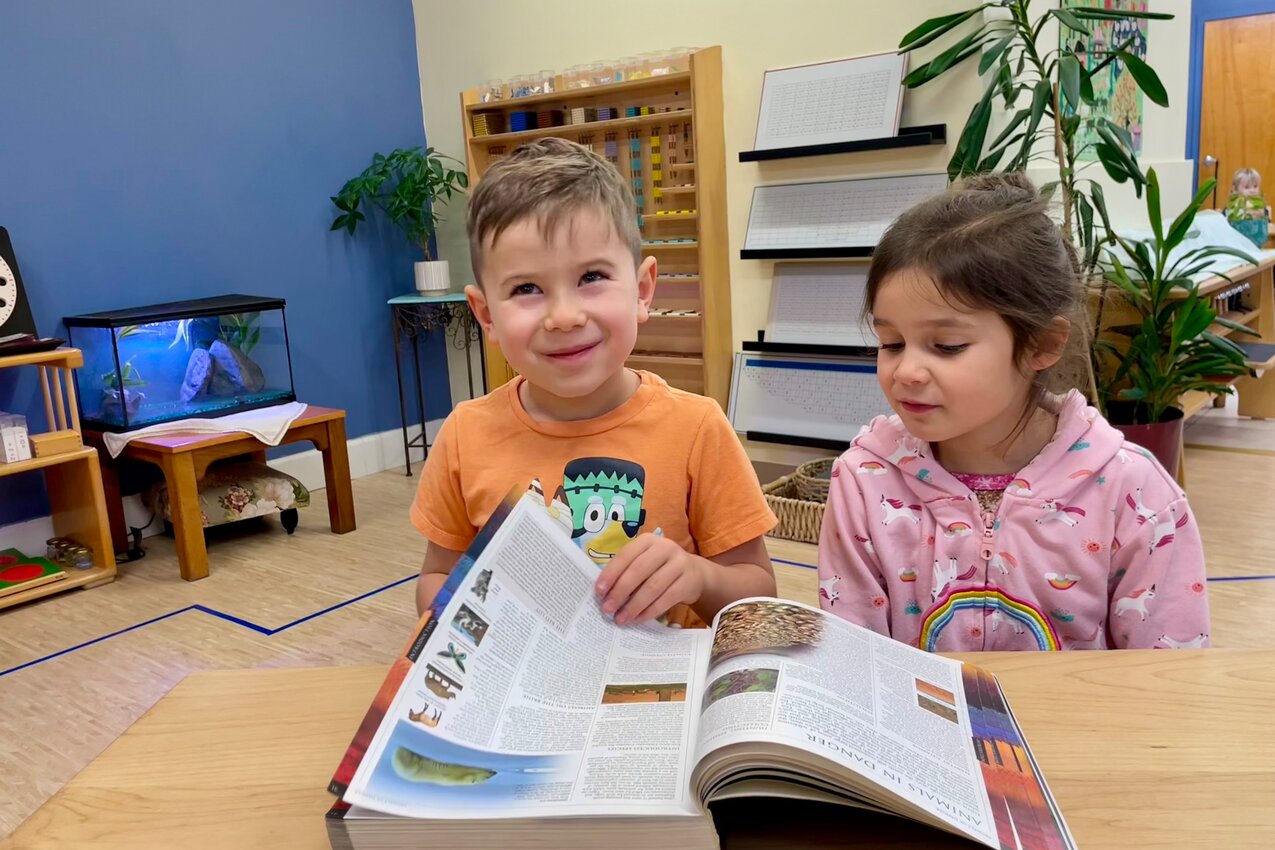
If there’s one simple, powerful thing you can do to help your child succeed academically, it’s this: Read with them. That’s it. Really. If you're already convinced, you can stop reading here. But if you need a little nudge—or a reminder—keep going.
Reading plays a critical role in your child’s brain development. It introduces new vocabulary, builds familiarity with grammar and sentence structure, and expands their background knowledge—all essential foundations for learning in every subject.
Even the act of physically holding a book, turning its pages, and interacting with it (not just tapping a screen) supports cognitive development. But reading does more than boost academic skills. It nurtures empathy, sparks imagination, and builds emotional intelligence—especially when children have the chance to talk about what they’re reading. That’s just one reason why reading aloud remains one of the most powerful tools parents have to support a child’s intellectual and emotional growth.
Once your child can read independently, it’s still important to make daily reading a habit—both on their own and with you. Just 10 to 15 minutes a day makes a big difference.
While graphic novels and long book series are often favorites among elementary-aged children, it’s important to distinguish between quality literature and what I refer to as “literary fast food”—books created primarily for commercial appeal, often written by multiple authors, with less engaging plots and limited literary value. Many of these commercial series are designed more for mass appeal than lasting impact. Though these books can be fun and motivating, they shouldn’t make up the bulk of your child’s reading diet.
In contrast, quality literature features rich characters, strong writing, and thought-provoking themes. These are the books that we get lost in, that spark meaningful conversations, ignite curiosity, and leave a lasting impression. Exposure to great literature helps children become not only better readers, but deeper thinkers and more confident learners.
So how do you choose great books—for read-aloud time or for independent reading?
Start with award-winning titles like those honored by the Newbery Medal, Caldecott Medal, or Coretta Scott King Award. Look for books that represent a variety of cultures, perspectives, and experiences. And don’t forget your own childhood favorites—kids often love discovering the stories their parents once loved.
Need a place to start? NPR has curated a wonderful list of 100 great books for younger children, including a few chapter books. For older readers, their 100 Must-Reads for Ages 9–14 is another excellent resource.
Let us know your family's favorite books—and keep reading!
Written by Lynda Harrington, Bigleaf Maple Lower Elementary Teacher