
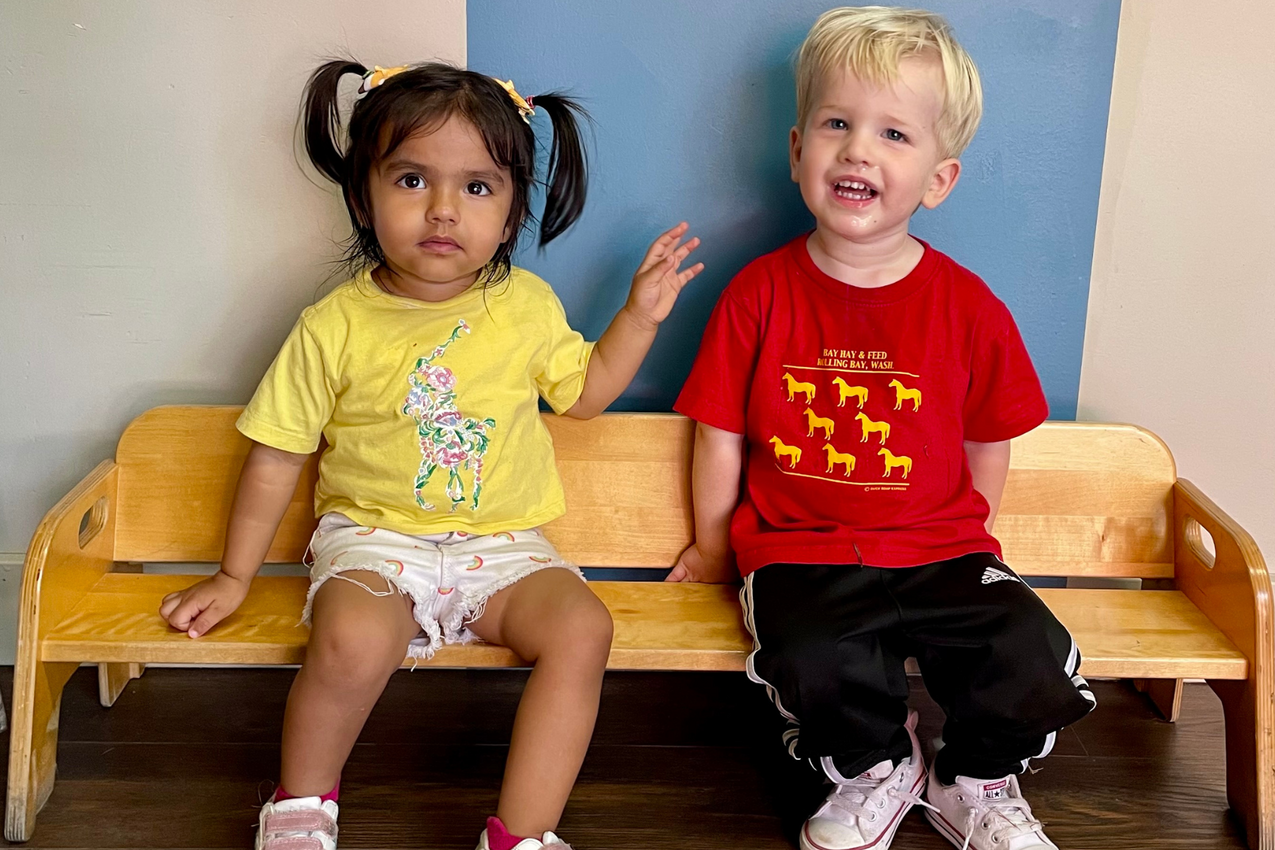
What We Need to Know About Toddlers
How Do Toddlers Learn? The Absorbent Mind in Action
At the core of Montessori philosophy lies the concept of the Absorbent Mind, a period in which toddlers naturally absorb information from their environment, particularly through meaningful interactions and experiences. At this stage, toddlers internalize not just the words we say, but also how we say them, including our tone, body language, and consistency. They mirror behaviors and absorb their world, making every interaction a teaching moment.
Movement: The Language of Learning
Toddlers need to move. They want to walk, run, and move heavy objects. Moving is very important to a toddler as it is a way of adapting and exploring the environment. Movement isn't just physical; it’s critical for brain and emotional development. Active play develops motor skills, fuels emotional regulation, and lays the foundation for learning skills like memory and attention.
Some key benefits of movement for a toddler include:
- Enhancing gross motor skills like balance, coordination, and strength.
- Supporting brain development, as movement stimulates attention, memory, and language.
- Fostering emotional regulation, since moving helps toddlers release energy and manage big feelings.
- Encouraging social interaction, spatial awareness, and creativity through activities like dancing, obstacle courses, and imaginative movement games.
Mastery
Toddlers thrive on mastery. They repeat actions like stacking blocks or pouring water until they perfect them. These repetitions are neither idle nor purposeless; they’re essential learning pathways. Observing what a child repeatedly attempts can uncover their emerging interests and capacities.
Communication
Communication with toddlers goes beyond vocabulary. It’s about emotional presence. Even before toddlers can speak, they understand tone and attention. When communicating, use rich descriptive language even with nonverbal toddlers. Slow down and give them time to process what you’ve said. Engaging in conversations, reading, singing, and responding to their attempts at communicating is vital for their development.
Freedom with Limits
Toddlers need freedom. This freedom will help them grow into curious learners, to experience things for themselves, to make discoveries, and to feel they have control over themselves. However, toddlers are impulsive because their prefrontal cortex is still developing. This means we may need to guide them if they are climbing on the table, grabbing a material out of someone's hands, or hitting. The adult must become the child's prefrontal cortex. Allowing freedom within limits. A key Montessori principle empowers toddlers to explore while keeping them safe and supported. This approach fosters a sense of respect. When adults follow through on their commitments, toddlers learn that their choices matter, and they start to trust that what is said will be respected.
Order and Consistency Build Trust
Predictability matters deeply to toddlers. When daily routines, rules, and environments remain consistent, toddlers feel secure and develop a sense of order and responsibility. Setting limits often leads to boundary-testing, but when adults consistently enforce boundaries calmly and respectfully, toddlers begin to understand responsibility and learn trust. Follow-through is everything. If choices are offered, a commitment to honoring that choice fosters autonomy and self-esteem.
Belonging
Toddlers have a deep, fundamental need to belong and to contribute meaningfully to their community. They are not just passive observers. They are active participants who want to feel valued. When a child is given a role in the home or classroom, it sends a powerful message. "You are an important part of this group." This sense of belonging is crucial for their social and emotional development. It helps them build self-esteem, learn about responsibility, and understand their place in the family unit or a larger social group. By participating in daily tasks like setting the table, cleaning up spills, watering plants, or helping to put away groceries, they feel competent and trusted. These simple acts are not chores to them. Instead, they are opportunities to engage and feel a sense of purpose.
The Profound Meaning of the Toddler Years
This period is not just a stage of physical and cognitive development. It is the very act of human formation. The principles listed aren't simply methods for raising a child. They are keys to unlocking a child's innate potential. By respecting the absorbent mind, we recognize that a toddler's learning is an unconscious, holistic process. They are not just acquiring facts; they are building the very structure of their being, creating their internal world based on the environment around them.
When we honor their need for movement, we understand that learning is an embodied experience. A child moves not just to burn energy, but to integrate their mind and body, strengthening their will and focus. Similarly, by providing rich language, we are not just teaching words; we are teaching ideas. We are giving them the tools to organize their thoughts, express their feelings, and connect with others.
The principles of order and mastery speak to the toddler's deep need for predictability and competence. A predictable environment creates a sense of security, allowing their mind to focus on learning rather than anxiety. Through repetition and mastery, they are not just stacking blocks. They are building concentration, problem-solving skills, and a belief in their own capability. Freedom, within clear limits, allows them to develop independence and self-control. They learn to navigate their world and make choices, which are crucial steps toward becoming a responsible adult.
Finally, belonging is the heart of it all. It is the recognition that a child is a valuable member of a community. By giving them a role and inviting their contribution, we teach them their worth. This foundation of self-worth, capability, and respect for their community is the profound legacy of a truly supported toddlerhood.
Written by Gabby Almanza, Dogwood Toddler Guide