
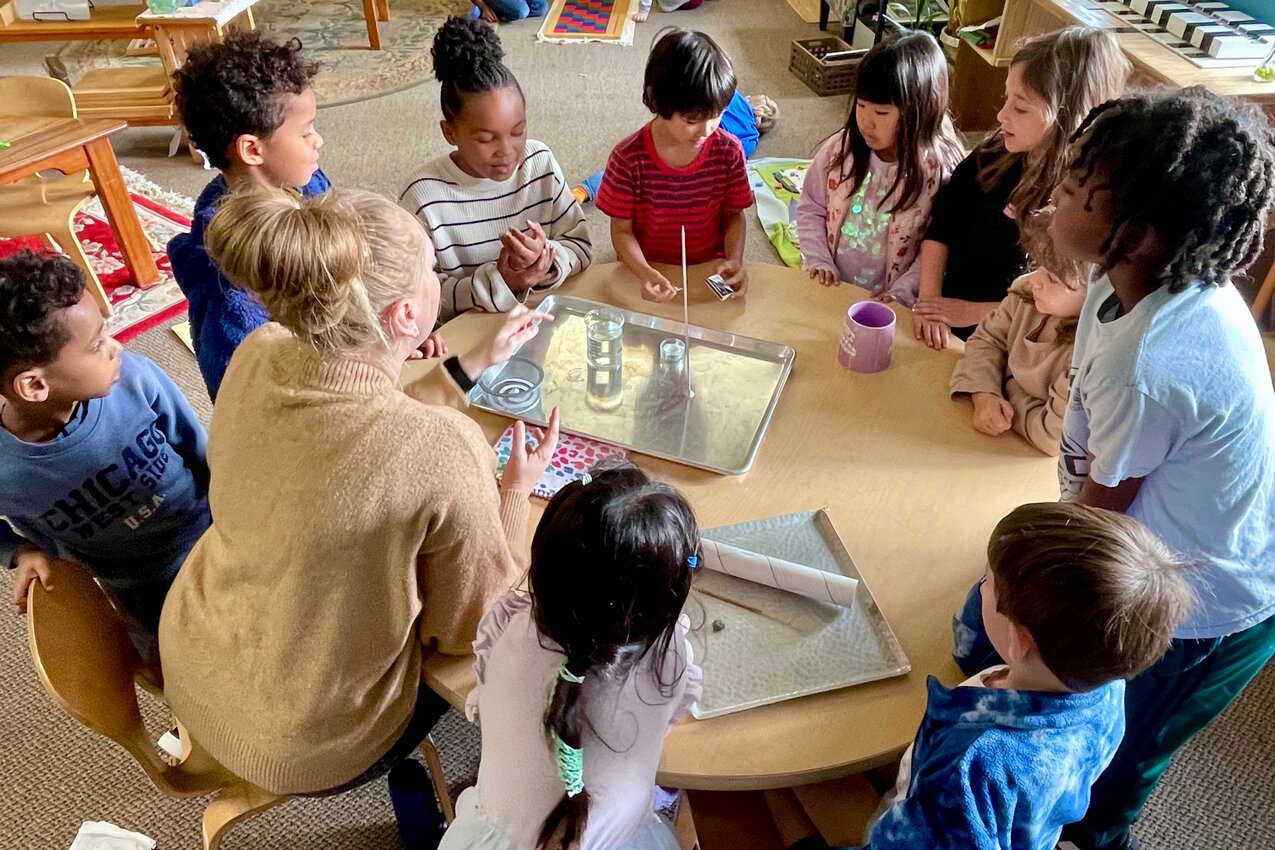
Let Them Think: Raising Problem Solvers (Foster critical thinking and problem-solving skills)
Critical thinking is the ability to thoughtfully analyze information, question assumptions, and make informed, conscious decisions. In the elementary classroom, we view critical thinking as a natural part of a child’s development, supported through observation, exploration, and experiences. Critical thinking goes hand in hand with problem-solving skills, which allow children to approach challenges with curiosity and creativity, creating confidence in discovering solutions on their own. This process strengthens their independence and resilience, along with their ability to engage with the world thoroughly and respectfully.
You, as parents and guardians, play a powerful role in nurturing critical thinking and problem-solving skills at home by creating an environment that supports your child’s independence, curiosity, and thoughtful exploration. Allowing children to make age-appropriate choices while experiencing natural consequences helps them learn to work through challenges.
We recognize that everyday life offers rich opportunities for children to think deeply and solve problems independently. Everything from cleaning up a spill to figuring out how to build a structure or resolve a conflict offers opportunities for growth. Parents can nurture these skills by pausing before stepping in, giving children time to think. Rather than offering quick solutions, you can ask open-ended questions like, “What do you think we could try next?” or “How else might this work?” These types of questions invite deep thinking and give children space to explore.
It is also important to value effort over outcomes, acknowledging persistence and creative thinking rather than correcting answers. Instead of focusing on getting the right answer, we can celebrate effort, persistence, and flexibility by offering encouragement such as, “You worked through the situation with success!” In observing without immediately stepping in, following the child’s interest, and fostering curiosity through real-life experiences, you can create a home environment where critical thinking naturally grows.
Mistakes are a natural and valuable opportunity, offering children the chance to reflect, try again, and build resilience. When challenges arise, modeling calm problem-solving or working through a solution together shows children how to approach difficulties with confidence and care. Also, talking out loud about your own problem-solving process can help demonstrate how to handle difficulties calmly and logically.
Observation also plays a key role, so by quietly watching, parents can better understand when to support and when to step back. Emotional safety is essential, as children think more clearly when they feel secure and regulated. Rooted in Montessori principles such as respect, independence, and trust in the child’s natural development, this approach helps children grow into thoughtful, capable individuals who engage with the world with curiosity, clarity, and purpose.
We trust in the child’s ability to learn through doing, thinking, and discovering at their own pace. By giving children the time, space, and trust to think for themselves, we sow the seeds of lifelong curiosity and confidence. After all, the goal is not to raise children who always have the right answers, but ones who know how to ask the right questions. When we step back and let the child lead, we don’t just watch them solve problems; we watch them grow.
Written by Meaghan Biggs, Aspen Lower Elementary Guide